
AC Blowing Warm Air? Here’s What Tampa Homeowners Should Check First
Blog

 admin
admin Nothing is more frustrating than walking into your home on a hot Tampa afternoon expecting cool air—only to discover your AC is blowing warm air instead. Fortunately, a system that isn’t cooling properly doesn’t always mean you’ll need an expensive replacement. In many cases, the problem can be traced to a simple issue such as an incorrect thermostat setting, a dirty air filter, or restricted airflow.
However, warm air coming from your vents can also signal more serious problems like a refrigerant leak, frozen evaporator coil, electrical failure, or compressor malfunction. Ignoring these warning signs can allow a minor repair to become a much larger and more expensive one.
This guide explains the most common reasons an AC is blowing warm air, what you can safely check yourself, and when it’s time to call a professional HVAC technician in the Tampa Bay area.
Why Is My AC Blowing Warm Air?
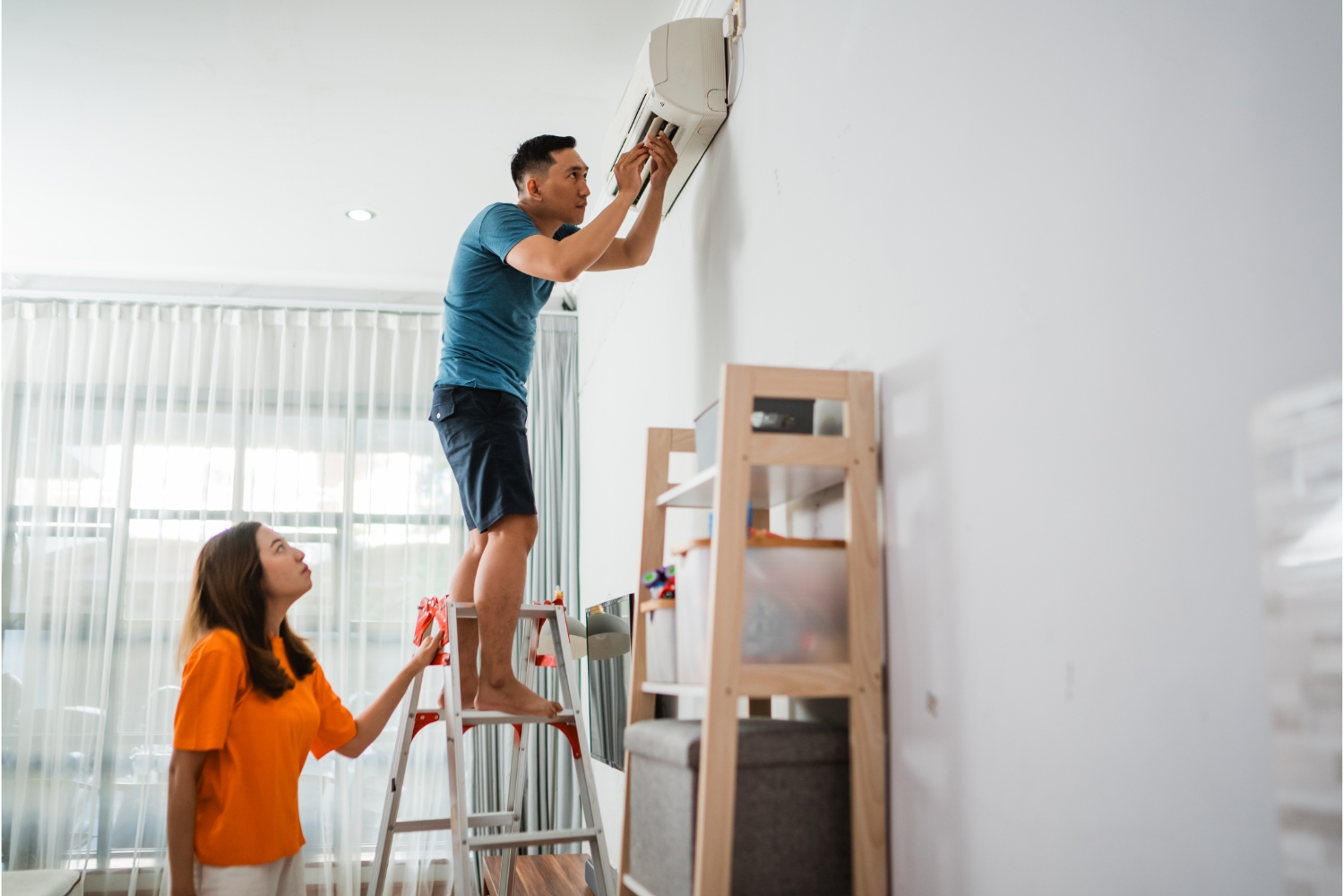
If your AC is blowing warm air, the most common causes include:
- Incorrect thermostat settings
- Dirty air filter restricting airflow
- Frozen evaporator coil
- Low refrigerant from a leak
- Dirty outdoor condenser coil
- Electrical issues or tripped breaker
- Compressor failure
Some of these problems can be resolved in just a few minutes, while others require specialized HVAC equipment and certified technicians. The key is identifying the cause before the system suffers additional damage.
Florida’s long cooling season also puts considerably more stress on air conditioning systems than in many other states. During Tampa’s hottest months, your equipment may run for hours without stopping, making regular maintenance even more important.
1. Check Your Thermostat First
The thermostat is the easiest place to start, yet it causes more service calls than many homeowners realize.
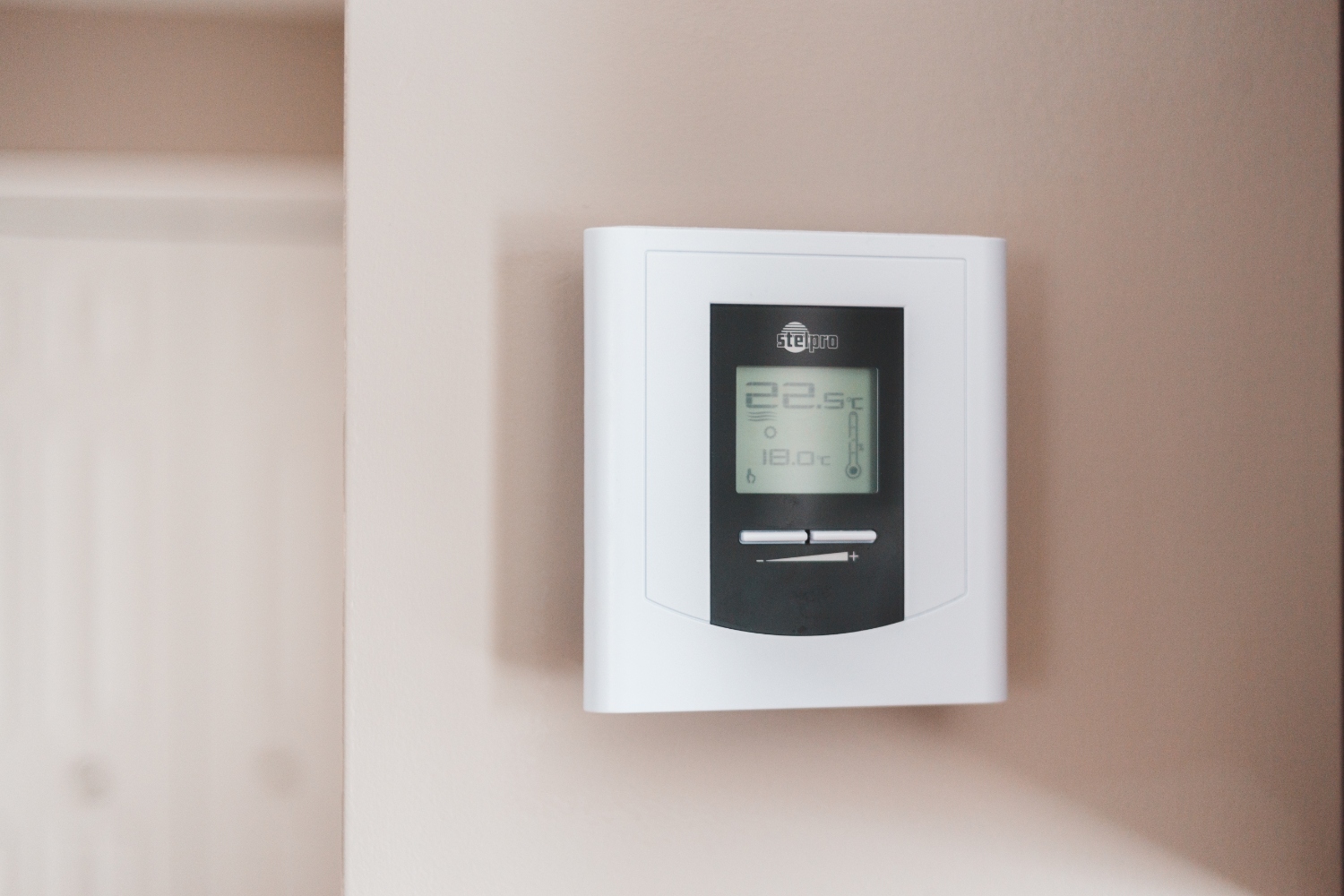
Before assuming your air conditioner has failed, verify that:
- The thermostat is set to Cool
- The temperature is set lower than the current room temperature
- The fan is set to Auto instead of On
- Smart thermostat schedules haven’t automatically changed the settings
Many homeowners accidentally leave the fan running continuously. When the cooling cycle ends, the blower continues circulating room-temperature air, making it seem like the air conditioner is blowing warm air even though the cooling system itself may be functioning normally.
If you’ve recently experienced a power outage or changed thermostat batteries, it’s also worth confirming that your settings weren’t reset.
If everything appears correct but your home AC is blowing warm air, move to the next step.
2. A Dirty Air Filter Can Restrict Airflow
Can a dirty air filter make an AC blow warm air?
Yes. A clogged air filter is one of the most common causes of reduced cooling performance.
Your HVAC system depends on steady airflow across the evaporator coil. As dust, pet hair, pollen, and other debris accumulate in the filter, airflow becomes restricted. Reduced airflow prevents the coil from absorbing heat efficiently and can eventually cause it to freeze.
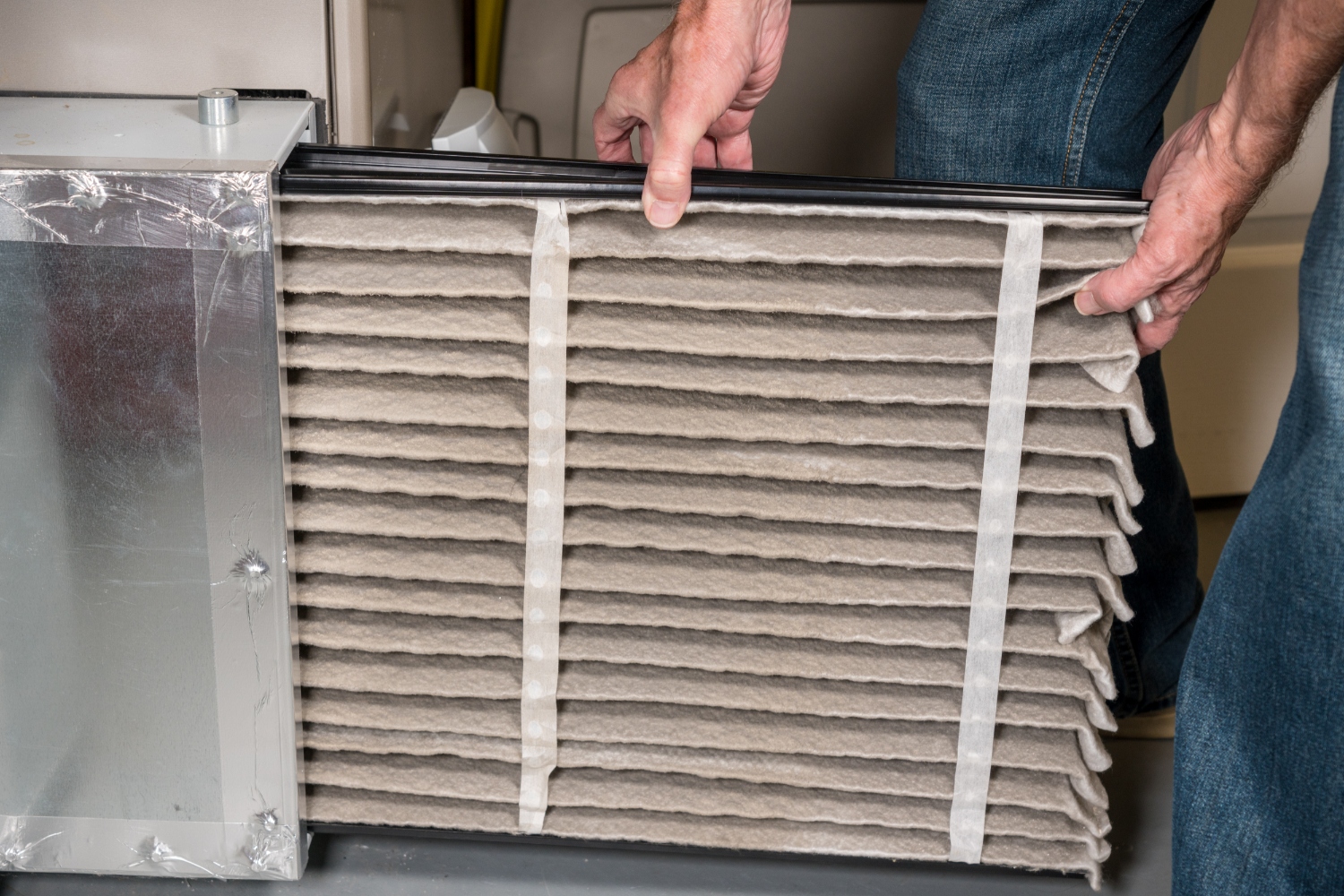
Signs of a clogged filter include:
- Weak airflow from vents
- Rooms cooling unevenly
- Higher energy bills
- Longer cooling cycles
- Dust accumulating around supply vents
Fortunately, this is also one of the easiest problems to fix. Most residential filters should be inspected every month and replaced every one to three months depending on the filter type, pets, occupancy, and indoor air quality.
Because Tampa experiences high pollen levels and year-round air conditioner use, many homeowners need to replace filters more frequently than manufacturer recommendations suggest.
If replacing the filter doesn’t restore cold air within several hours, another issue is likely responsible.
3. A Frozen Evaporator Coil Can Stop Cooling
Can a frozen evaporator coil cause warm air?
Absolutely. Although it sounds counterintuitive, an air conditioner with ice on the indoor coil often ends up blowing warm or only slightly cool air.
When airflow becomes restricted—or refrigerant levels become too low—the evaporator coil drops below freezing. Moisture in the air turns to ice, eventually covering the coil and preventing it from absorbing heat from your home.
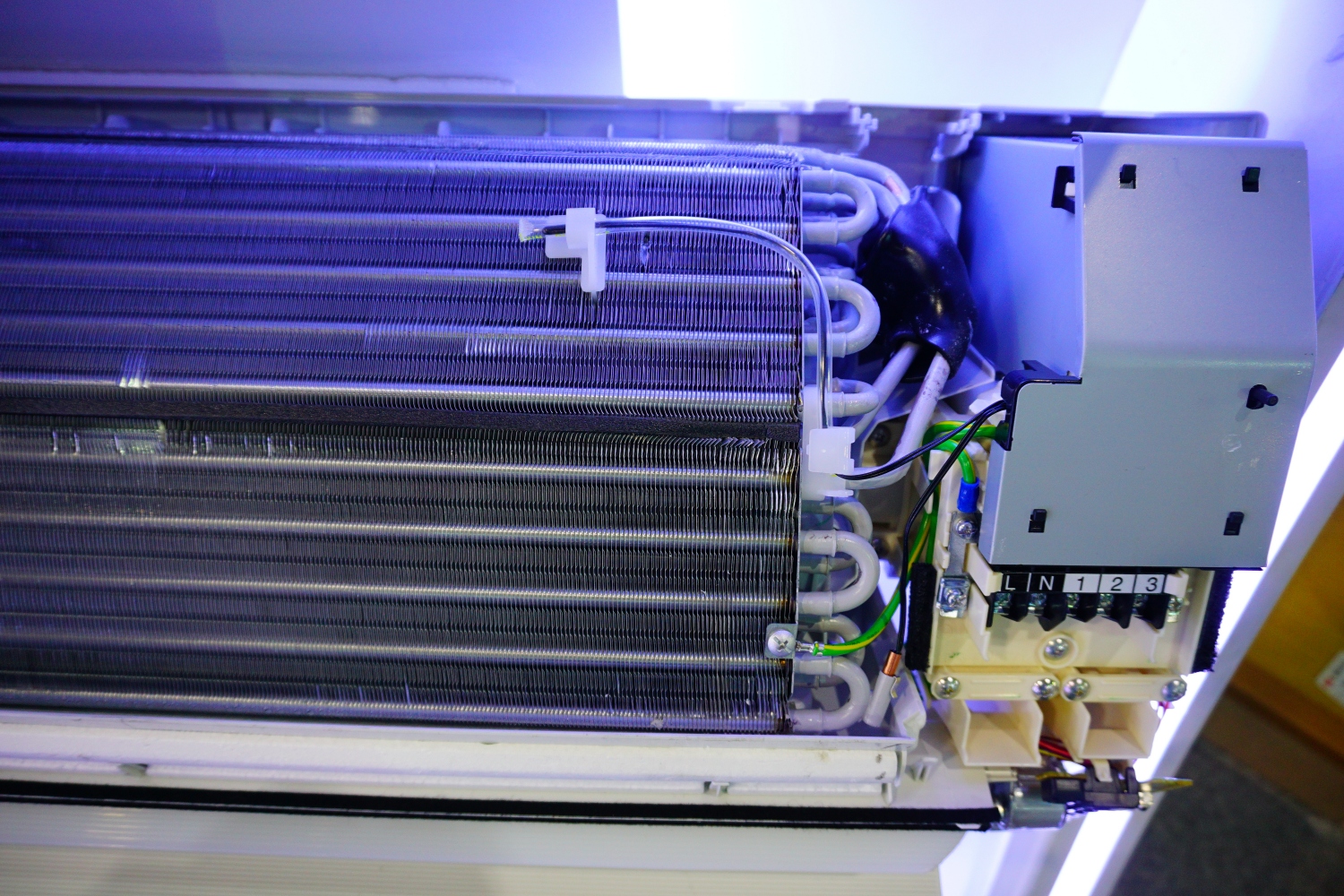
Common signs include:
- Warm air from vents
- Weak airflow throughout the house
- Ice visible on refrigerant lines
- Water around the indoor unit after thawing
- The system running constantly without lowering the temperature
If you notice ice, turn the system off or switch the fan to On to help the coil thaw naturally. Continuing to operate a frozen system can place unnecessary strain on the compressor.
After the ice has melted, the system may temporarily cool again—but if the problem returns, a professional inspection is recommended to identify the underlying cause.
4. Low Refrigerant Usually Means There’s a Leak
Can low refrigerant make an AC blow warm air?
Yes. Low refrigerant is one of the most common reasons an AC unit is blowing warm air, especially if the system previously cooled well and gradually lost performance. Unlike engine oil or fuel, refrigerant isn’t consumed during normal operation. If the level is low, there is almost always a leak somewhere in the sealed system.
As refrigerant pressure drops, the evaporator coil can’t absorb enough heat from your home. The system may continue running for hours, but instead of delivering cool air, it begins circulating air that’s only slightly cooler—or even completely warm.
Signs of a refrigerant leak include:
- Warm air from the vents
- Ice forming on the refrigerant lines or evaporator coil
- Hissing or bubbling sounds near the indoor or outdoor unit
- Longer cooling cycles
- Higher electric bills
- Rooms that never reach the thermostat setting
Adding more refrigerant without repairing the leak is only a temporary solution. The refrigerant will continue escaping, and the underlying problem will remain.
Because refrigerants must be handled safely and according to EPA regulations, leak detection and recharging should always be performed by a licensed HVAC technician.
5. A Dirty Outdoor Condenser Can’t Release Heat
Can a dirty outdoor unit cause warm air inside?
Yes. Even if your indoor equipment is working properly, your air conditioner can’t cool your home unless the outdoor condenser can efficiently release heat.
The condenser coil transfers heat collected from inside your home to the outdoor air. When dirt, grass clippings, leaves, pollen, cottonwood, or other debris cover the coil, heat becomes trapped inside the system. As a result, cooling performance drops significantly, especially during Tampa’s hottest summer afternoons.
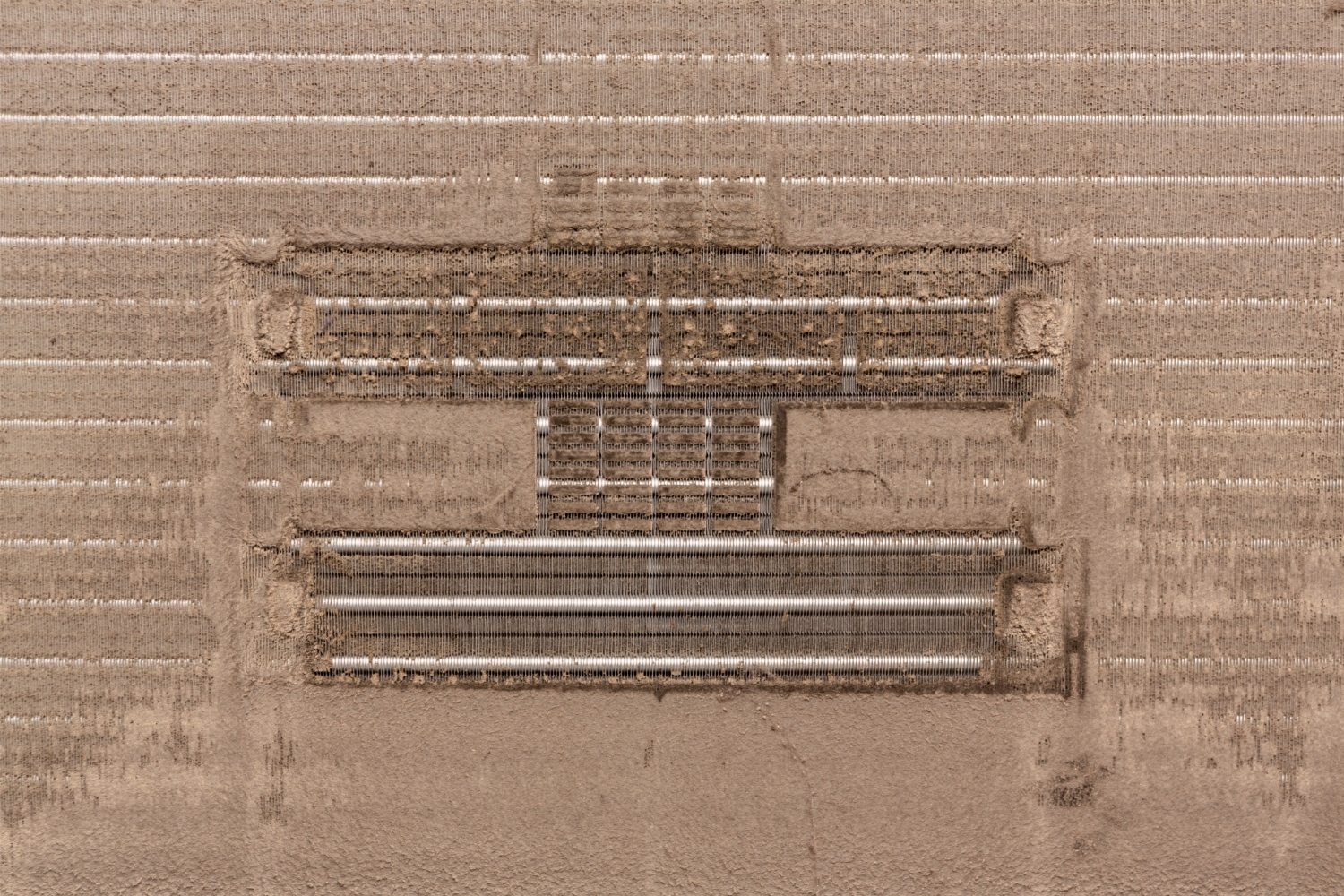
This issue is particularly common in Florida because outdoor units operate almost year-round. Heavy rainfall, lush landscaping, and frequent lawn maintenance can quickly coat condenser coils with debris.
Look for:
- Grass or leaves packed around the unit
- Dirty or clogged condenser fins
- Shrubs growing too close to the equipment
- Airflow blocked around the condenser
Homeowners can safely remove leaves and gently rinse the outside of the condenser with a garden hose after turning off power to the system. However, avoid using pressure washers, which can bend the delicate aluminum fins and reduce airflow even further.
Professional maintenance includes a much deeper cleaning of both the indoor and outdoor coils, helping restore efficiency and extend the life of your air conditioner.
6. A Tripped Breaker or Electrical Problem
Why is my AC blowing warm air but the fan is still running?
This is one of the most common electrical symptoms homeowners experience.
Your air conditioning system actually consists of two major components:
- The indoor air handler, which circulates air through your home.
- The outdoor condenser, which removes heat from the refrigerant.
If the outdoor unit loses power because of a tripped breaker, blown disconnect, faulty capacitor, or electrical component failure, the indoor blower may continue operating normally. Since the refrigerant is no longer being cooled outside, the system simply circulates room-temperature air through your vents.
This often leads homeowners to believe the entire AC has failed, when in reality only one part of the system has stopped working.
Check whether:
- The outdoor fan is spinning
- You can hear the compressor operating
- The AC breaker has tripped
- The disconnect switch near the outdoor unit is in the ON position
If a breaker trips once after a storm or power outage, resetting it may restore operation. However, if it trips again shortly afterward, avoid repeatedly resetting it. Frequent breaker trips usually indicate an electrical problem that requires professional diagnosis.
7. Compressor Problems Can Stop Cooling Completely
The compressor is often called the heart of your air conditioning system because it continuously circulates refrigerant between the indoor and outdoor units. If it stops working, your central air may begin blowing warm air, even though the indoor fan continues running.
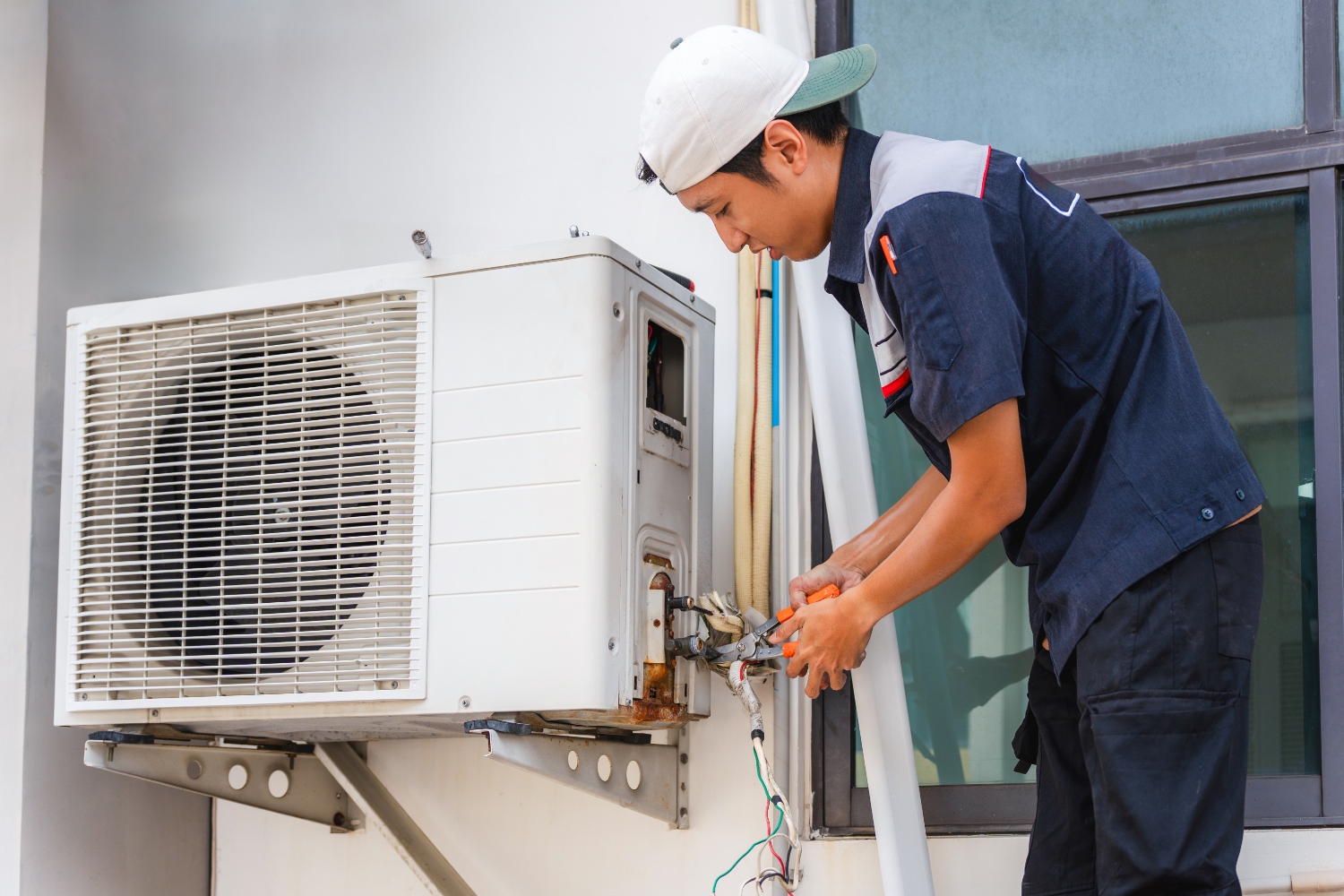
Compressor problems may develop gradually or occur suddenly due to electrical failures, overheating, worn internal components, or years of heavy use.
Warning signs include:
- Warm air despite the system running
- Loud buzzing, clicking, or humming noises
- Outdoor fan operating without effective cooling
- Circuit breaker repeatedly tripping
- Extremely long cooling cycles
- Rising indoor temperatures throughout the day
In many cases, compressor issues are preceded by other maintenance problems such as dirty coils, refrigerant leaks, or restricted airflow. Addressing smaller issues early can often prevent premature compressor failure.
Because compressor replacement is one of the most significant HVAC repairs, a professional technician will usually evaluate the age, condition, efficiency, and repair history of the entire system before recommending whether repair or replacement offers the best long-term value.
8. Tampa’s Heat and Humidity Push Air Conditioners to Their Limits
Many homeowners notice their air conditioner blowing warm air during the hottest afternoons of summer, even if it seemed to work normally earlier in the day.
That’s because Tampa’s climate places exceptional demands on residential cooling systems. Air conditioners here often run for long, uninterrupted periods from late spring through early fall, while also removing large amounts of indoor humidity. Extended operating times increase wear on every major component, from capacitors and fan motors to compressors and condensers.
High outdoor temperatures don’t automatically mean your AC is failing. However, they can expose problems that were already beginning to develop, including:
- Dirty condenser coils
- Aging capacitors
- Refrigerant leaks
- Restricted airflow
- Worn compressors
- Deferred maintenance
If your system struggles only during extremely hot weather, it’s often a sign that maintenance or AC repairs are needed before the issue becomes a complete breakdown.
Regular professional tune-ups before the cooling season help identify these problems early, improving efficiency, lowering energy costs, and reducing the likelihood of emergency HVAC repairs during Tampa‘s hottest months.
What You Can Safely Check Yourself
Before scheduling an HVAC repair, there are a few simple checks that many homeowners can perform safely. These steps won’t solve every problem, but they can help rule out common issues and may even restore cooling if the cause is minor.
Use this quick checklist:
- ✓ Confirm the thermostat is set to Cool and the fan is on Auto
- ✓ Replace or inspect your air filter if it’s dirty
- ✓ Make sure all supply vents are fully open and unobstructed
- ✓ Check that the outdoor condenser has at least two feet of clearance around it
- ✓ Look for ice on the refrigerant lines or indoor coil
- ✓ Verify the AC breaker hasn’t tripped
- ✓ Listen to see whether the outdoor unit is running when the thermostat calls for cooling
If you’ve completed these checks and your AC is still blowing warm air, it’s time for a professional diagnosis.
What You Should NOT Do
When your home is getting hotter by the minute, it’s tempting to keep experimenting until the problem goes away. Unfortunately, some actions can make the situation worse or even damage your HVAC system.
Avoid these common mistakes:
- Don’t continue running the AC if the evaporator coil is frozen.
- Don’t attempt to add refrigerant yourself. Low refrigerant almost always indicates a leak that must be repaired first.
- Don’t chip or scrape ice off the evaporator coil—you could permanently damage it.
- Don’t repeatedly reset a breaker that continues to trip.
- Don’t open electrical panels or disconnects unless you’re qualified to do so.
Stopping the system and calling for service is often the safest and least expensive decision.
When Is Warm Air an HVAC Emergency?
Not every cooling problem requires same-day service, but some situations shouldn’t wait.
Contact an HVAC professional immediately if:
- Your indoor temperature continues rising above 85°F
- Your AC suddenly stops cooling during extreme Tampa heat
- You smell burning, melting plastic, or electrical odors
- The breaker trips repeatedly
- The outdoor unit won’t start at all
- Water is leaking excessively around the indoor unit
- Someone in the home is elderly, an infant, or has a medical condition that makes excessive heat dangerous
Prompt repairs can often prevent additional damage and restore comfort before the problem becomes more expensive.
How to Prevent Your AC From Blowing Warm Air
Many of the most common AC failures are preventable with routine maintenance. A properly maintained system cools more efficiently, uses less electricity, and is less likely to break down during the hottest weeks of summer.
Good maintenance habits include:
- Replace your air filter every 1–3 months.
- Schedule professional AC maintenance annually, ideally before summer.
- Keep the outdoor condenser free of leaves, grass, and debris.
- Trim shrubs and vegetation around the outdoor unit.
- Monitor unusual noises or longer cooling cycles.
- Address small performance issues before they become major repairs.
Preventive maintenance is almost always less expensive than emergency repairs or premature system replacement.
Frequently Asked Questions
Why is my AC blowing warm air but the outside unit is running?
If both the indoor and outdoor units are running but you’re still getting warm air, common causes include low refrigerant, dirty coils, restricted airflow, or compressor problems. A professional inspection is usually needed to pinpoint the exact issue.
Can a dirty air filter cause my AC to blow warm air?
Yes. A clogged filter restricts airflow, which can cause the evaporator coil to freeze and reduce your system’s ability to cool your home effectively.
Why is my AC blowing warm air after a power outage?
Power outages can trip breakers, reset thermostat settings, or damage electrical components such as capacitors. Check your thermostat and electrical panel first. If the problem continues, schedule a professional inspection.
Should I turn my AC off if it’s blowing hot air?
If the system is blowing warm air because the evaporator coil has frozen or you notice ice on the refrigerant lines, it’s best to turn the cooling mode off and allow the system to thaw. Continuing to run it may cause additional damage.
Why does my AC struggle during the hottest part of the day?
High outdoor temperatures increase the workload on your air conditioner. However, a properly sized and well-maintained system should still keep your home comfortable. If it only struggles during peak afternoon heat, it may need maintenance or repairs.
Is it worth repairing an older air conditioner?
That depends on the system’s age, condition, repair history, and the cost of the repair. If your AC is more than 10–15 years old and requires major repairs, replacing it with a high-efficiency system may provide better long-term value.
Stay Comfortable with Professional HVAC Service from KoolGator
If your AC is blowing warm air, don’t wait until a small issue becomes a complete system failure. Whether the problem is a clogged filter, frozen evaporator coil, refrigerant leak, electrical issue, or failing compressor, the experienced technicians at KoolGator can quickly diagnose the cause and recommend the right solution.
Our licensed HVAC professionals provide fast, reliable service throughout the Tampa Bay area, helping homeowners restore comfort with honest recommendations and quality workmanship. From emergency AC repairs and seasonal maintenance to complete air conditioning replacements, we’re here to keep your home cool and comfortable year-round.
Need help with an air conditioner that’s blowing warm air? Contact KoolGator today to schedule professional HVAC service and get your cooling system back to peak performance.