
Why Is My Air Conditioner Leaking Water? What Tampa Homeowners Should Do First
Blog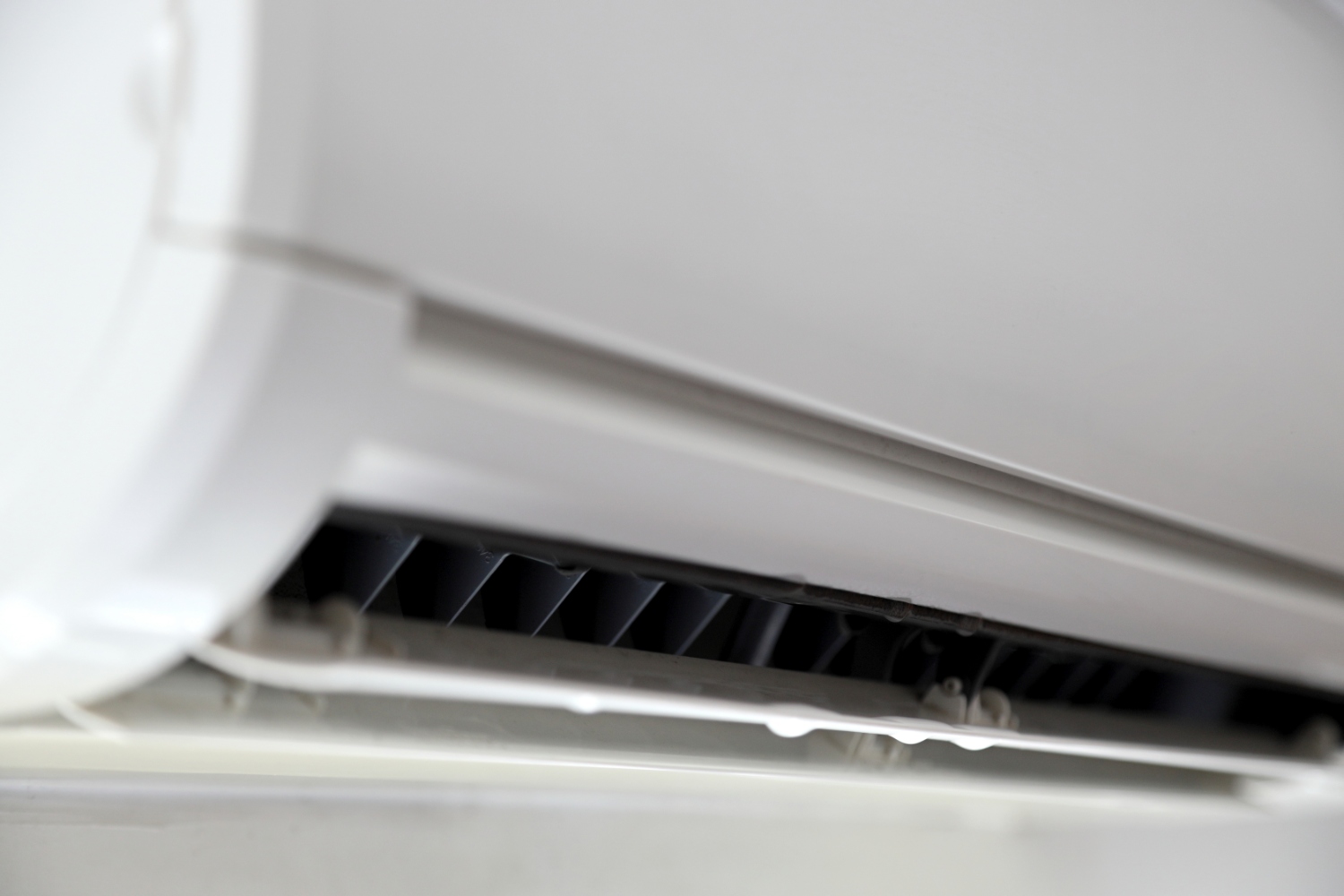

 admin
admin Finding water around your indoor AC unit can be alarming. If you’re thinking, “My air conditioner is leaking water—what should I do?”, you’re not alone. Water leaking from an air conditioner is one of the most common reasons homeowners call for HVAC service in Tampa.
The good news is that many AC leaks are caused by issues that can be repaired before they lead to major damage. The bad news is that ignoring the problem can result in mold growth, damaged flooring or ceilings, reduced cooling performance, and expensive repairs.
This guide explains why your AC is leaking water, what you should do immediately, and when it’s time to call a professional HVAC technician.
Is It Safe to Keep Running an AC That’s Leaking Water?
In most cases, no. While a small amount of condensation is normal inside an air conditioning system, water should never collect on the floor or drip from the indoor unit.
Turn your system off immediately if:
- Water is leaking near electrical components.
- The leak is heavy or continuous.
- You notice ice on the refrigerant lines or evaporator coil.
- Water is dripping through the ceiling.
- Your drain pan is overflowing.
If the leak is only a few drops, switch the thermostat to Off while you inspect the unit. Continuing to run a leaking air conditioner can make the problem worse and increase the risk of water damage.
Step 1: Turn Off Your Air Conditioner
The first thing you should do is shut off your AC at the thermostat.
This prevents the system from creating additional condensation and helps avoid further damage to your home. If the leak is significant or water is close to electrical components, switch off the breaker that powers the indoor air handler as well.
Do not continue running the system just because it’s still cooling your home. A small leak today can become a much larger repair tomorrow.
Step 2: Find Where the Water Is Coming From
Before assuming the worst, identify where the water is collecting.
Common locations include:
- Around the indoor air handler
- Beneath the drain pan
- Near the condensate drain pipe
- Inside a utility closet
- Dripping through the ceiling below an attic installation
- Pooling around the HVAC unit on the floor
Knowing where the water appears can help narrow down the cause and speed up the repair process.
7 Common Reasons Your Air Conditioner Is Leaking Water
1. Clogged Condensate Drain Line (Most Common)
The most common reason an AC unit is leaking water is a blocked condensate drain line.
As your air conditioner cools your home, it removes moisture from the air. That water normally flows through a drain line to the outside. Over time, algae, dirt, mold, and debris can clog the pipe, causing water to back up and overflow.
Signs
- Water around the indoor unit
- Musty odors
- Overflowing drain pan
- AC shuts off unexpectedly (systems with safety switches)
Can You Fix It?
Some homeowners use a wet/dry vacuum to clear the outside drain opening, but stubborn blockages usually require professional cleaning.
2. Dirty Air Filter
A clogged air filter restricts airflow across the evaporator coil.
When airflow drops, the coil becomes too cold and freezes. Once the ice melts, it creates more water than the drain system can handle, leading to a leaking air conditioner.
Signs
- Weak airflow
- Ice on refrigerant lines
- Higher energy bills
- Poor cooling
Can You Fix It?
Yes. Replace the filter with a new one and allow the system to thaw completely before restarting it.
3. Frozen Evaporator Coil
A frozen evaporator coil can result from restricted airflow, dirty coils, or low refrigerant.
When the ice eventually melts, large amounts of water can overflow the drain pan.
Signs
- Ice buildup
- Warm air from vents
- Water appearing after the system has been off
Can You Fix It?
Turn the AC off and let it thaw naturally. If the coil freezes again, schedule professional service because the underlying problem still exists.
4. Low Refrigerant
Low refrigerant reduces pressure inside the evaporator coil, allowing temperatures to drop below freezing.
This creates ice that later melts into excessive water.
Signs
- Hissing sounds
- Reduced cooling
- Ice on refrigerant lines
- Longer cooling cycles
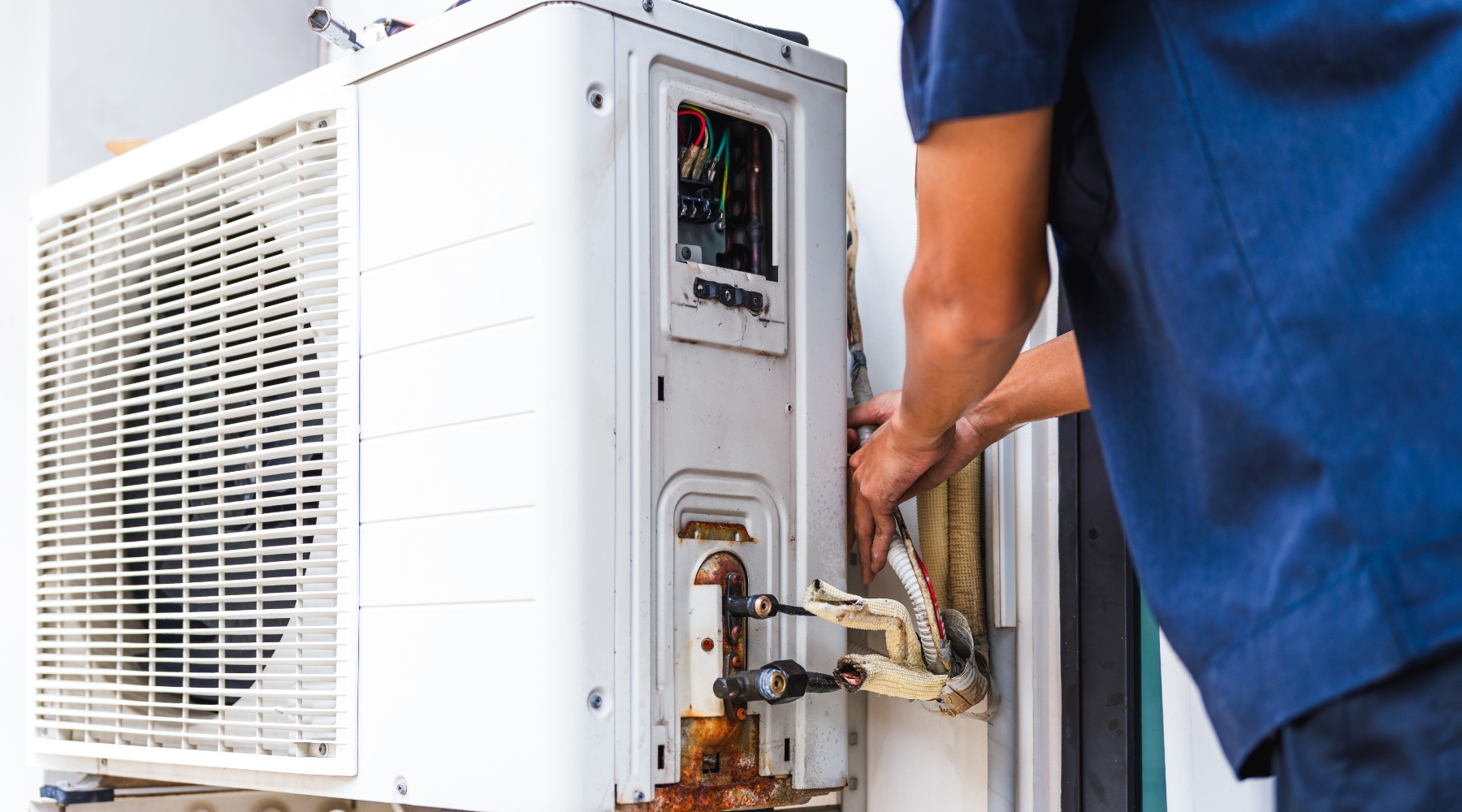
Because refrigerant systems are sealed, this issue requires professional AC repair.
5. Cracked or Rusted Drain Pan
Older systems often develop rust or cracks in the condensate drain pan.
Instead of draining properly, water escapes through damaged sections and leaks onto the floor.
Signs
- Rust inside the pan
- Water directly beneath the air handler
- Older HVAC system (typically 10+ years)
A damaged drain pan usually needs replacement.
6. Condensate Pump Failure
Some homes use a condensate pump to move water to a drain when gravity alone isn’t enough.
If the pump fails, water remains inside the system until it overflows.
Signs
- Standing water in the drain pan
- Pump not making any sound
- Frequent system shutdowns
A technician can test the pump and replace it if necessary.
7. Improper Installation
An improperly installed indoor unit or incorrectly sloped drain line can prevent water from draining correctly.
Although less common, installation issues may not become noticeable until months after a new AC system is installed.
Professional inspection is the best way to identify installation-related problems.
Why AC Water Leaks Are More Common in Tampa
Tampa’s climate creates ideal conditions for condensation.
High humidity means your air conditioner removes large amounts of moisture every day, especially during the long cooling season. That extra moisture increases the chances of algae growth inside condensate drain lines, overflowing drain pans, and clogged drainage systems.
Because many Tampa homeowners run their AC nearly year-round, regular AC maintenance is essential to keep the condensate system working properly.
Can You Fix an AC Water Leak Yourself?
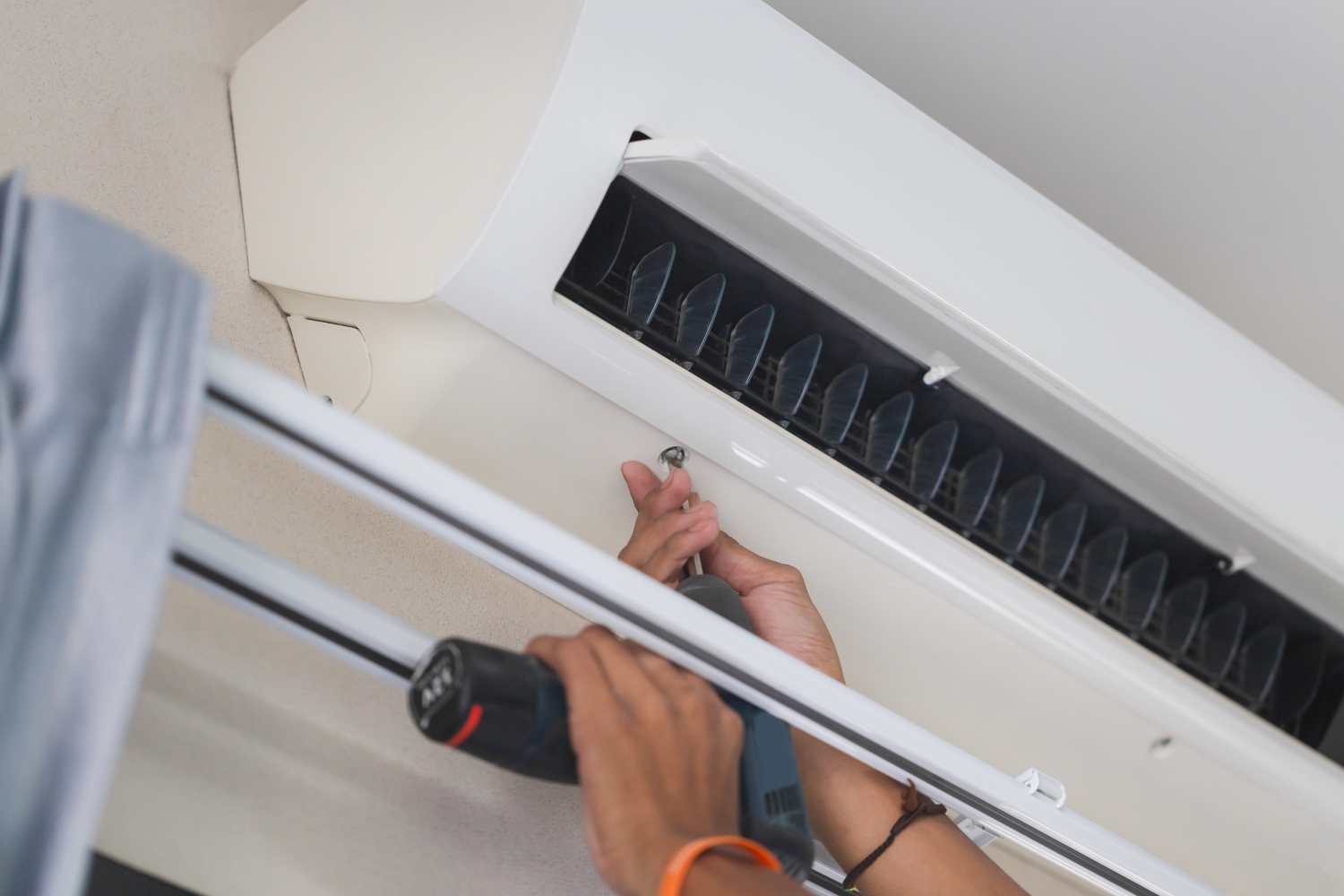
Some maintenance tasks are safe for homeowners, while others should always be handled by a licensed HVAC technician.
Safe DIY Tasks
- Replace a dirty air filter.
- Check the drain pan for obvious damage.
- Remove standing water around the unit.
- Inspect the outdoor drain line for visible blockages.
Leave These Repairs to the Professionals
- Refrigerant leaks
- Frozen evaporator coils
- Electrical repairs
- Condensate pump replacement
- Compressor issues
- Internal coil cleaning
Attempting complex HVAC repairs without the proper tools can damage the system and create safety risks.
How to Prevent Your Air Conditioner From Leaking Again
Preventive maintenance is the easiest way to avoid future water leaks.
Simple habits include:
- Replace air filters every 1–3 months.
- Schedule professional AC maintenance every year.
- Keep the condensate drain line clean.
- Watch for reduced airflow.
- Address small cooling problems before they become major repairs.
- Have your HVAC system inspected before the hottest part of summer.
Routine maintenance not only helps prevent leaks but also improves efficiency and extends the life of your air conditioner.
When a Water Leak Becomes an HVAC Emergency
While not every leak requires AC emergency service, some situations should never wait.
Contact an HVAC professional immediately if:
- Water is leaking through your ceiling.
- Your AC keeps shutting off.
- Ice forms repeatedly on the evaporator coil.
- Water is pooling near electrical equipment.
- Your home is no longer cooling properly.
- The leak returns after replacing the air filter.
Quick repairs can prevent expensive damage to drywall, flooring, insulation, and other parts of your home.
Frequently Asked Questions
Why is my air conditioner leaking water inside my house?
The most common causes include a clogged condensate drain line, dirty air filter, frozen evaporator coil, damaged drain pan, or low refrigerant.
Should I turn my AC off if it’s leaking water?
Yes. Turning the system off prevents additional water damage and allows the problem to be diagnosed safely.
Can a dirty air filter cause my AC to leak water?
Yes. Restricted airflow can freeze the evaporator coil. When the ice melts, excess water may overflow the drain pan.
Why is water dripping from my indoor AC unit?
Water dripping from the indoor unit usually indicates that condensation isn’t draining properly because of a blocked drain line, frozen coil, or damaged drain pan.
Is a leaking air conditioner dangerous?
The water itself isn’t usually dangerous, but leaks can damage ceilings, walls, flooring, and electrical components if left untreated.
Can I unclog an AC drain line myself?
Minor blockages near the drain outlet may sometimes be cleared with a wet/dry vacuum. If the clog is deeper inside the system or keeps returning, professional cleaning is recommended.
Stop Your AC Leak Before It Causes Costly Water Damage
A leaking air conditioner rarely fixes itself. Whether the problem is a clogged condensate drain, frozen evaporator coil, refrigerant issue, or damaged drain pan, addressing the issue early can prevent more expensive repairs and protect your home from water damage.
If your AC is leaking water anywhere in the Tampa Bay area, the experienced technicians at KoolGator can quickly identify the cause and provide reliable repairs to restore your comfort. Whether it’s a simple drain line cleaning or a more complex HVAC repair, we’re here to help keep your cooling system running safely and efficiently.