
Indoor Air Quality Standards in Tampa, FL: What Every Homeowner Should Know
Blog

 admin
admin The air inside your home has a direct impact on your family’s health, comfort, and even your HVAC system’s performance. While many Tampa homeowners focus on keeping their homes cool during Florida’s long summers, fewer realize that indoor air can contain dust, allergens, mold spores, volatile organic compounds (VOCs), and microscopic particles that affect breathing every day.
According to the U.S. Environmental Protection Agency (EPA), indoor air can sometimes be more polluted than the air outdoors because contaminants become trapped inside modern, tightly sealed homes. In Tampa, high humidity, heavy pollen seasons, and year-round air conditioner use create additional indoor air quality (IAQ) challenges.
Understanding what good indoor air quality looks like—and how professionals measure it—can help you create a healthier home for your family.
Why Indoor Air Quality Matters More in Tampa
Florida’s climate presents unique challenges that directly affect indoor air quality.
Homes throughout Tampa experience:
- High humidity for much of the year
- Long air conditioning seasons
- Heavy oak, pine, grass, and ragweed pollen
- Mold growth caused by excess moisture
- Salt air and outdoor pollutants entering the home
- Increased time spent indoors during extreme summer heat
Even newer homes can develop indoor air quality problems if ventilation, humidity control, or HVAC filtration is inadequate.
Poor indoor air quality may contribute to:
- Allergy symptoms
- Asthma flare-ups
- Headaches
- Fatigue
- Eye and throat irritation
- Musty odors
- Increased dust accumulation
- Mold growth
What Is Indoor Air Quality (IAQ)?
Indoor Air Quality (IAQ) refers to the condition of the air inside a building and how it affects the health and comfort of its occupants.
A professional IAQ assessment looks at multiple factors rather than a single measurement.
These include:
- Airborne particles
- Carbon dioxide (CO₂)
- Carbon monoxide (CO)
- Relative humidity
- Temperature
- Volatile Organic Compounds (VOCs)
- Mold spores
- Ventilation effectiveness
Because these factors interact with one another, improving indoor air quality often requires a combination of filtration, ventilation, humidity control, and regular HVAC maintenance.

What Makes Indoor Air Unsafe?
Indoor air pollution comes from many everyday sources.
Fine Particles (PM2.5)
PM2.5 particles are extremely small—about 30 times smaller than the width of a human hair. They can travel deep into the lungs and may contribute to respiratory and cardiovascular problems.
Common indoor sources include:
- Cooking
- Candles
- Fireplaces
- Outdoor pollution entering the home
- Dust
PM10
PM10 particles are larger than PM2.5 but can still irritate the respiratory system.
Sources include:
- Dust
- Pet dander
- Pollen
- Construction debris
Volatile Organic Compounds (VOCs)
VOCs are gases released from many household products.
Examples include:
- Paints
- Cleaning chemicals
- New furniture
- Flooring
- Air fresheners
- Building materials
High VOC levels may cause headaches, dizziness, and eye irritation.
Carbon Dioxide (CO₂)
CO₂ is naturally produced when people breathe.
Although it isn’t toxic at normal indoor levels, elevated CO₂ often indicates poor ventilation.
High CO₂ levels may lead to:
- Sleepiness
- Difficulty concentrating
- Stale indoor air
Carbon Monoxide (CO)
Unlike CO₂, carbon monoxide is extremely dangerous.
It is colorless, odorless, and potentially fatal.
Possible sources include:
- Gas appliances
- Furnaces
- Water heaters
- Generators
- Attached garages
Every home should have functioning carbon monoxide detectors.
Humidity
Humidity is one of the biggest indoor air quality concerns in Tampa.
Too much moisture encourages:
- Mold growth
- Dust mites
- Musty odors
- Wood damage
Too little humidity can also cause discomfort by drying skin, eyes, and respiratory passages, although this is much less common in Florida.
Mold Spores
Mold thrives in warm, humid environments.
Spores may become airborne and trigger:
- Allergies
- Asthma
- Respiratory irritation
Professional testing can help identify hidden moisture issues before mold becomes visible.
Indoor Air Quality Standards Explained
While no single number defines perfect indoor air quality, health organizations provide recommended ranges for several important pollutants.
| Air Quality Factor | Recommended Level | Why It Matters |
| PM2.5 | Below 12 µg/m³ (annual average) | Supports healthier lungs |
| PM10 | Below 50 µg/m³ (24-hour average) | Reduces respiratory irritation |
| Carbon Dioxide (CO₂) | Under 800–1,000 ppm | Indicates adequate ventilation |
| Carbon Monoxide (CO) | 0–9 ppm | Protects against CO exposure |
| Relative Humidity | 30–60% | Helps prevent mold and dust mites |
| VOCs | As low as reasonably possible | Reduces chemical exposure |
| Temperature | 68–78°F | Improves comfort and HVAC efficiency |
These values serve as general guidelines. Professional IAQ testing considers all measurements together rather than focusing on a single reading.
How Is Indoor Air Quality Measured?
Professional indoor air quality testing uses specialized equipment to evaluate multiple aspects of your home’s environment.
Particle Counters
Laser particle counters measure airborne particles such as PM2.5 and PM10.
These instruments detect microscopic pollutants that are invisible to the naked eye.
CO₂ Meters
CO₂ monitors measure indoor ventilation performance.
If carbon dioxide builds up throughout the day, your home may not be exchanging enough fresh air.
VOC Sensors
VOC sensors detect airborne chemicals released from common household products.
Some advanced monitors continuously track VOC concentrations and identify changes over time.
Humidity Sensors
Digital hygrometers measure relative humidity with high accuracy.
This helps determine whether a home is at increased risk for mold growth.
Carbon Monoxide Detectors
CO detectors continuously monitor carbon monoxide and provide immediate alerts if dangerous levels are detected.
Professional IAQ Inspection
A comprehensive indoor air quality inspection may also include:
- HVAC system evaluation
- Airflow testing
- Filter inspection
- Ductwork inspection
- Moisture assessment
- Visible mold inspection
- Ventilation assessment
Instead of relying on one measurement, professionals evaluate how these factors work together to determine your home’s overall air quality.
Can You Measure Air Quality Yourself?
Yes. Many homeowners now use consumer-grade indoor air quality monitors to track conditions throughout the year.
Popular features include:
- PM2.5 monitoring
- CO₂ measurement
- VOC detection
- Temperature
- Relative humidity
While these devices provide useful information, they may not detect hidden issues such as contaminated ductwork, mold inside walls, or ventilation problems.
If your monitor consistently reports poor readings or your family experiences ongoing allergy or respiratory symptoms, professional testing is recommended.
Signs Your Home May Have Poor Air Quality
You don’t always need specialized equipment to recognize an indoor air quality problem.
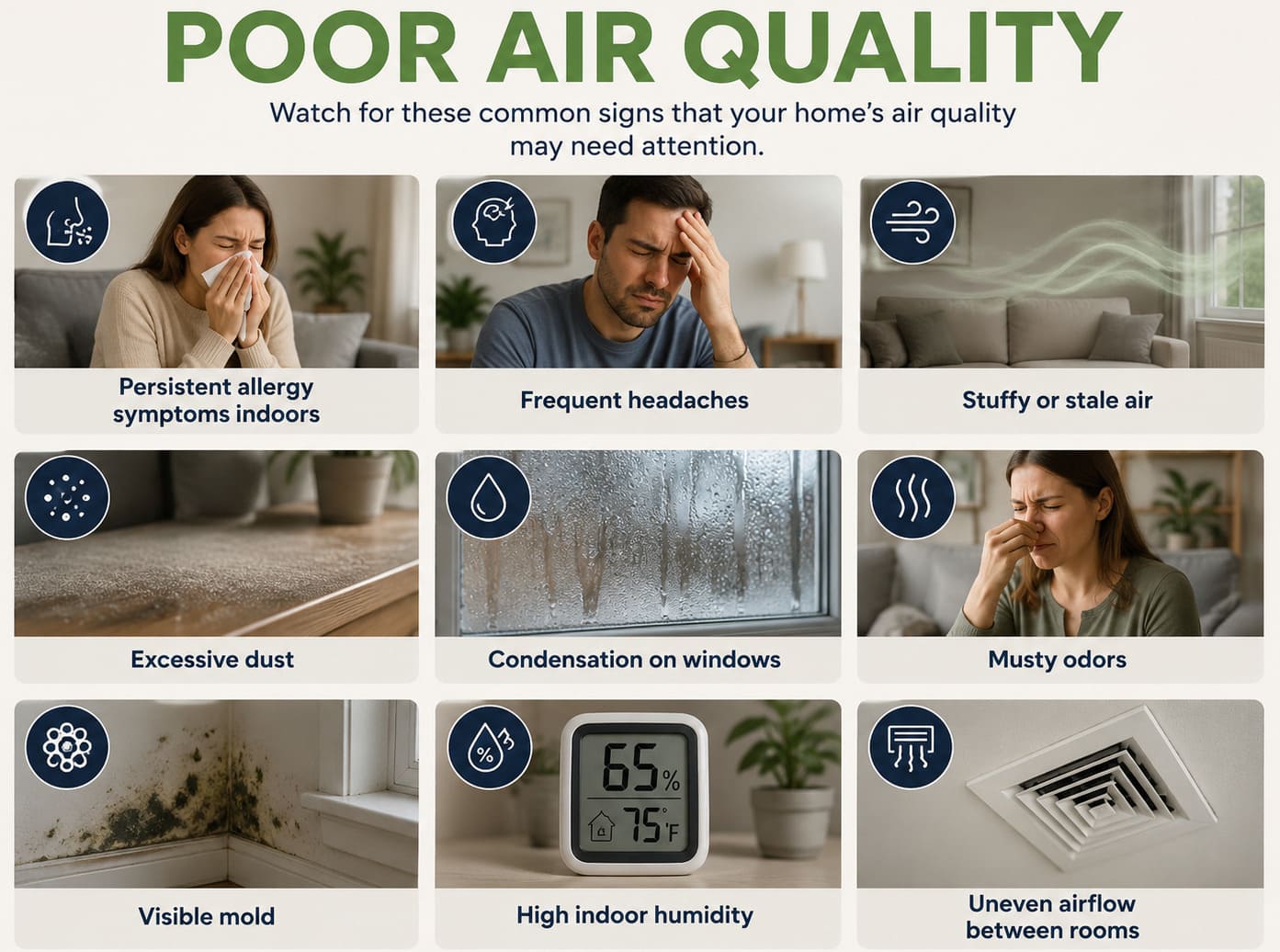
Watch for signs such as:
- Persistent allergy symptoms indoors
- Frequent headaches
- Stuffy or stale air
- Excessive dust
- Condensation on windows
- Musty odors
- Visible mold
- High indoor humidity
- Uneven airflow between rooms
These symptoms often indicate that your home’s ventilation, filtration, or humidity control needs attention.
Why Tampa Homes Face Unique Indoor Air Quality Challenges
Compared with many parts of the country, Tampa homes must manage several environmental factors simultaneously.
High Humidity
Florida’s humid climate creates ideal conditions for mold growth if indoor moisture isn’t properly controlled.
Nearly Year-Round Air Conditioning
Air conditioners remove some moisture while cooling the home, but oversized systems or poor maintenance may leave humidity levels too high.
Pollen Seasons
Oak, pine, grass, and other seasonal pollens can enter homes through doors, windows, clothing, and pets.
Hurricane Season
Storm damage and flooding can introduce moisture that leads to mold if not addressed quickly.
Salt Air
Homes near the Gulf Coast may experience additional airborne contaminants and faster HVAC equipment corrosion.
These conditions make routine HVAC maintenance and indoor air quality inspections especially valuable for Tampa homeowners.
When Should You Schedule Professional Indoor Air Quality Testing?
Professional IAQ testing is a smart investment if:
- Your family experiences recurring allergies indoors
- You notice persistent musty odors
- You’ve recently completed a remodeling project
- Your home has experienced water damage
- Indoor humidity remains consistently high
- You recently purchased an older home
- Occupants have asthma or other respiratory conditions
- You want to identify hidden air quality issues before they become major problems
Testing provides a clearer picture of your home’s environment and helps identify the most effective improvements.
How to Improve Indoor Air Quality
Improving indoor air quality usually involves several complementary strategies rather than one solution.
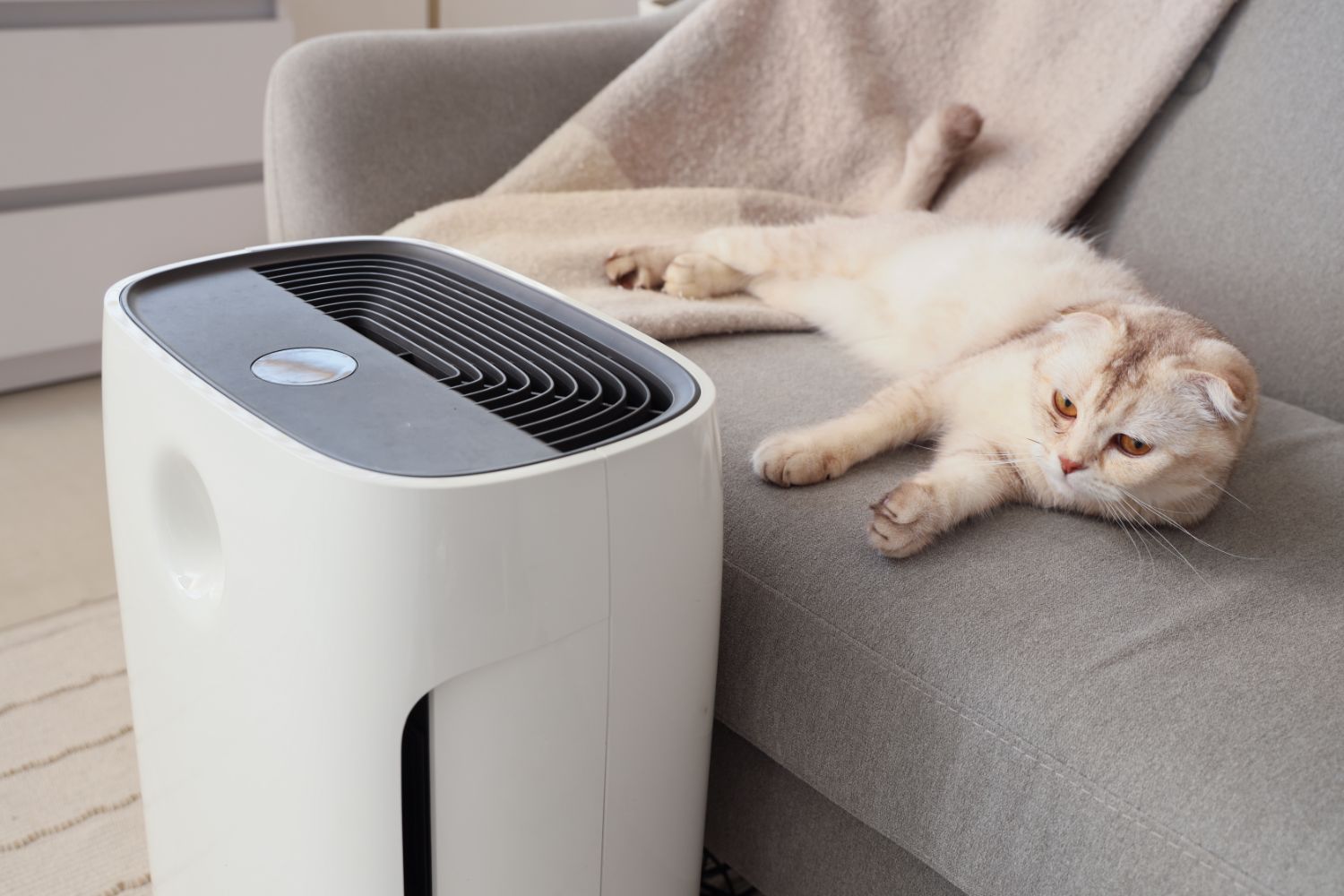
Start by scheduling regular HVAC maintenance to ensure your system operates efficiently and your filters are changed on time. High-quality air filters can capture more airborne particles, while whole-home air purifiers help reduce allergens, bacteria, and other contaminants.
Managing humidity is equally important in Tampa. Keeping indoor humidity between 30% and 60% helps discourage mold growth and dust mites. If moisture remains high, installing a whole-home dehumidifier may be the most effective solution.
Proper ventilation also plays a critical role. Bringing in fresh outdoor air when conditions allow and ensuring exhaust fans work correctly helps remove indoor pollutants.
For homes with persistent air quality concerns, professional indoor air quality testing can identify the specific causes and recommend targeted solutions rather than relying on guesswork.
Breathe Easier with Professional Indoor Air Quality Services
Healthy indoor air isn’t just about comfort—it’s about protecting your family’s health throughout the year.
If you’re concerned about allergens, humidity, mold, or airborne pollutants in your Tampa home, a professional indoor air quality assessment can identify hidden problems and recommend practical solutions tailored to your home.
Whether you need Indoor Air Quality Testing, Air Filtration & Air Purifier Installation, or a Whole-Home Dehumidifier, the experienced team at KoolGator can help you create a cleaner, healthier indoor environment.
Schedule your indoor air quality inspection today and breathe easier knowing your home’s air is working for you—not against you.